Why Do You Wake Up at 3 AM Causes and Fixes?
Waking at 3 AM and watching the clock is frustrating, and it is common. Here is what may be behind it, what research says, and a 7-day test to find your own pattern.
Short answer
You probably wake around 3 AM because sleep is lighter in the second half of the night, so small triggers such as stress, alcohol, noise or a warm room are easier to notice. Occasional waking is common. Waking most nights and feeling exhausted by day is worth raising with a doctor.
Key facts
- In a US survey of 8,937 adults, 35.5% reported waking at night at least three times a week (Ohayon and colleagues, Sleep Medicine, 2010).
- Among those night wakers, 43% had difficulty getting back to sleep, and that group reported far more daytime impairment (77%) than people who resumed sleep easily (6.7%).
- Deep sleep is concentrated in the first half of the night, while REM stages get longer in the second half, according to the Sleep Foundation.
- A 2013 review found alcohol consolidates sleep in the first half of the night but disrupts it in the second half.
- The American College of Physicians recommends cognitive behavioral therapy for insomnia (CBT-I) as the first-line treatment for adults with chronic insomnia.
In this article
- Why do I wake up at 3 AM?
- Is waking up at 3 AM normal?
- What commonly causes waking in the night?
- How can I tell which trigger is waking me?
- What should I do when I wake at 3 AM?
- How can I test my own 3 AM waking?
- When should I see a doctor about waking at night?
- Frequently asked questions
- Final thoughts
- Sources and further reading
Why do I wake up at 3 AM?
You wake up at 3 AM mostly because sleep gets lighter and more easily interrupted in the second half of the night. Deep sleep dominates the early cycles, so by the small hours your brain spends more time in lighter stages and REM, and an ordinary disturbance can be enough to surface you.
Sleep is not one flat stretch. The Sleep Foundation describes cycles that average about 90 minutes, with deep sleep (stage N3) lasting 20 to 40 minutes in early cycles and getting shorter as the night goes on. REM stages lengthen, especially in the second half of the night, and lighter sleep is the easiest stage to be woken from.
Does your body clock play a part?
Probably, though the evidence on "3 AM" specifically is thin. Sleep Foundation material on circadian rhythm notes that body temperature rises and melatonin falls as morning approaches, which promotes wakefulness. A 2022 study in Frontiers in Neuroscience found the cortisol rise that follows waking was largest when volunteers woke about three hours before their usual wake time (around 3:40 AM for the participants).
That does not prove body clock changes cause your wake-ups, and nothing shows 3 AM is a special hour. It does suggest your system is already shifting toward day, so a small nudge may tip you over.
Is waking up at 3 AM normal?
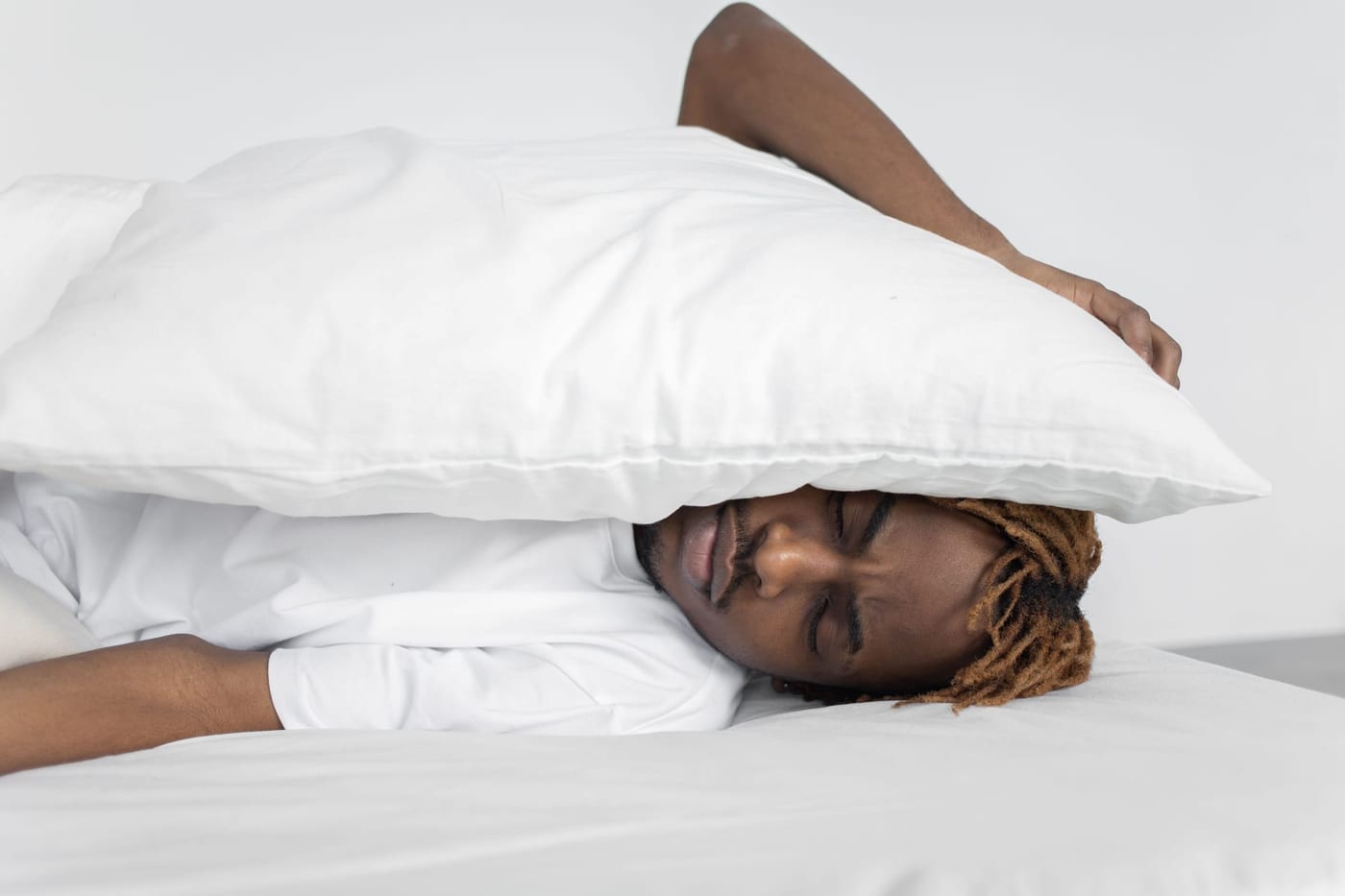
Waking at 3 AM is common and often normal, particularly when you fall back asleep quickly and feel rested the next day. What matters most is not the waking itself but how easily you resume sleep and how you function afterward.
The Ohayon study found that more than one in three US adults surveyed (35.5%) woke at least three nights a week. Of those, 43% struggled to resume sleep. Daytime impairment was reported by 77% of people who had difficulty resuming sleep, compared with 6.7% of people who woke but fell back asleep easily and had no other sleep problems. These are self-reports, not lab measurements.
What commonly causes waking in the night?
Common causes of night waking include stress and anxiety, alcohol, caffeine, an uncomfortable bedroom, an irregular schedule, medications and medical conditions. The NHS and the Sleep Foundation list these as typical contributors, and several often stack together on the same night.
Evening drinking is a common trigger, and how alcohol changes sleep quality covers the mechanism.
Stress and a busy mind
The NHS lists stress, anxiety and depression among the common causes of insomnia. A brief waking can become a long one when your mind grabs an unresolved worry and starts rehearsing it.
Alcohol in the evening
A 2013 qualitative review in Alcoholism: Clinical and Experimental Research (Ebrahim and colleagues) of studies in healthy people found that alcohol shortens the time to fall asleep and consolidates sleep in the first half of the night, but disrupts sleep in the second half. The Sleep Foundation explains this as lighter, more fragmented sleep as the body metabolizes alcohol, and suggests avoiding it for at least three hours before bed.
So a nightcap that makes you drowsy at 10 PM may help explain a 3 AM wake-up. Responses vary between people.
Caffeine, late meals and screens
The NHS advises avoiding caffeine for 6 hours or more before bed, as well as late meals and screens before sleep. Sensitivity differs between people, so your own limit may differ.
Your bedroom and bed partner
The NHS recommends a dark, quiet and comfortable bedroom. Warmth, a streetlight through thin curtains, a snoring partner or a pet jumping on the bed can each be enough to wake you when your sleep is already light.
Medical conditions, medications and life stages
Several health issues can fragment sleep. The NHS notes that sleep apnoea, where breathing stops and starts, can cause gasping, snorting or choking noises and frequent awakenings with loud snoring. The NHS also lists hot flushes, night sweats and trouble staying asleep among menopause and perimenopause symptoms. The Sleep Foundation adds restless legs syndrome, chronic pain, indigestion, pregnancy and some medications, including beta-blockers, diuretics and antidepressants.
Do not change a prescribed medication on your own. Ask the prescriber whether it could be contributing.
How can I tell which trigger is waking me?
You can narrow down your trigger by matching the clues around each waking to the most likely cause, then testing one change at a time. The guide below is for noticing patterns, not diagnosing, and your own situation may differ from every row.
Caffeine timing is another. See does caffeine really ruin your sleep?
| Clue around the waking | Possible trigger | One change to test |
|---|---|---|
| Racing thoughts, work or money worries | Stress and rumination | Write a short worry list earlier in the evening |
| Wake after a drink with dinner or later | Alcohol wearing off | Skip evening alcohol for several nights |
| Wake after afternoon or evening coffee, tea or cola | Caffeine | Stop caffeine 6 or more hours before bed |
| Hot, sweaty, or too bright and noisy | Bedroom conditions or hormonal changes | Cool, darken and quieten the room |
| Gasping, snorting or loud snoring reported by a partner | Possible sleep apnoea | Book a GP appointment, do not self-treat |
| Wake times drift with bedtime on weekends | Irregular schedule | Keep the same get-up time every day |
Luna Ring
Compare the wake-up with what else was going on that night
Most 3 AM awakenings are forgotten or misremembered by morning, so your memory is a weak record. Luna Ring is a smart ring, worn on a finger, that tracks sleep stages, heart rate, HRV, SpO2 and body temperature trends, with no subscription required. Lining those night-by-night trends up against your own notes on alcohol, caffeine and stress can show whether the restless nights share a pattern worth taking to a doctor.
What should I do when I wake at 3 AM?
When you wake at 3 AM, avoid checking the clock, keep the lights low, and if you are still awake after about 15 to 20 minutes, get up and do something quiet until you feel sleepy. The Sleep Foundation gives this timing, and the aim is to keep your bed linked with sleep rather than frustration.
For the stress side, see how stress affects your heart rate.
Why avoid the clock?
A 2007 study in the Journal of Behavior Therapy and Experimental Psychiatry (Tang, Schmidt and Harvey) had 30 good and 30 poor sleepers either monitor or not monitor a clock while trying to sleep. Clock monitors reported more pre-sleep worry and took longer to fall asleep. A second experiment with 38 people with insomnia found the same pattern. The samples were small, but the advice is simple: turn the clock face away.
What counts as a calm activity?
Choose something dull and low-light, such as a paper book or quiet audio. Avoid bright screens, email and problem-solving. Return to bed when you feel sleepy.
Myth vs fact
Myth: A drink in the evening helps you sleep through the night.
Fact: Alcohol can make you fall asleep faster, but the 2013 review found it disrupts sleep in the second half of the night, which is when many people wake.
How can I test my own 3 AM waking?
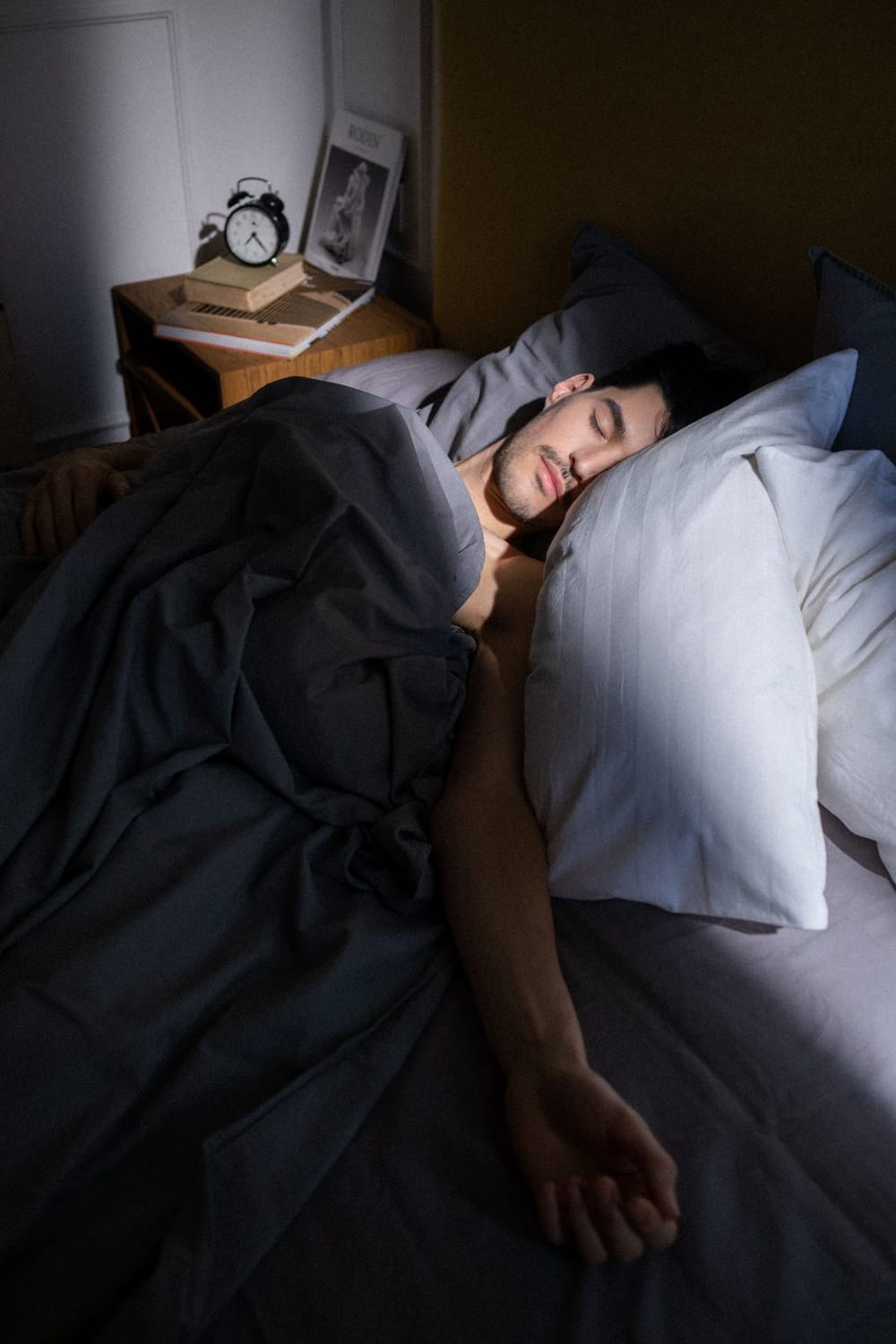
You can test your own triggers with a 7-day experiment that changes one or two habits at a time while you log each waking and how rested you feel. Causes overlap and vary between people, so your own record often tells you more than general advice.
Try this: 7-day experiment
- Days 1 to 2 (baseline): change nothing. Each morning, note bedtime, wake time, minutes awake, and rested feeling from 1 to 5.
- Also log your last caffeine time, any alcohol, dinner time, and your stress level from 1 to 5.
- Days 3 to 4: remove evening alcohol and stop caffeine 6 hours before bed. Keep everything else the same.
- Days 5 to 6: keep those changes and add a 10 minute worry list one to two hours before bed, plus a cooler, darker room.
- When you wake, turn the clock away and follow the 15 to 20 minute rule if you cannot get back to sleep.
- Day 7: compare your log. Did awakenings or time awake change? One week is a short test, so repeat it before drawing firm conclusions.
If you are pregnant, have a medical condition, or take medication that may affect sleep, check with your clinician before changing anything. Shift workers may find the "3 AM" logic does not apply, because their body clock sits at a different time.
When should I see a doctor about waking at night?
See a doctor if waking happens most nights, you struggle to fall back asleep, you feel very tired by day, or you notice breathing symptoms such as gasping or loud snoring. The Sleep Foundation also lists pregnancy with new or worsening sleep problems, anxiety, depression and suspected medication effects as reasons to seek advice.
The NHS advises seeing a GP if changing your sleep habits has not helped. The doctor may suggest CBT-I, which the American College of Physicians recommended in 2016 (in Annals of Internal Medicine) as first-line treatment for chronic insomnia in adults. It combines sleep education with behavioral steps such as sleep restriction and stimulus control.
Frequently asked questions
Does waking at 3 AM mean something is wrong with my health?
Not usually. Waking briefly at night is common, and the Ohayon survey found most adults who woke did not have trouble resuming sleep. It becomes more worrying when it happens most nights, leaves you tired by day, or comes with gasping, loud snoring or low mood. Then, see a doctor.
Why do I wake up anxious in the middle of the night?
Lighter sleep and a quiet, distraction-free mind can let worries feel louder at night. The NHS lists stress and anxiety as common causes of insomnia, and clock-watching can add worry. A pre-bed worry list and getting up for a calm activity may help. Ongoing anxiety deserves a conversation with a healthcare professional.
Can a sleep tracker explain why I woke up?
A tracker can show when awakenings happened and what your heart rate, HRV or sleep stages looked like around them, which helps spot patterns. It cannot prove the cause, and consumer devices are not diagnostic tools. Pair the data with notes on your habits and share concerns with a doctor.
Can my medication wake me at night?
Possibly. The Sleep Foundation lists beta-blockers, diuretics and antidepressants among medications that can disrupt sleep. Timing of a dose can matter, for example diuretics causing bathroom trips. Do not stop or change a prescribed medication yourself. Ask your prescriber or pharmacist whether it could be contributing.
Is it better to stay in bed or get up when I cannot sleep?
If you are still awake after about 15 to 20 minutes, the Sleep Foundation advises getting up and doing something quiet in low light. Staying in bed while frustrated can teach your brain to link bed with wakefulness. Return when you feel sleepy, and avoid bright screens and the clock.
Should I take sleeping pills if I keep waking up?
Talk to a doctor first. The American College of Physicians recommends CBT-I as first-line treatment for chronic insomnia and says drug therapy should be considered only if it is unsuccessful, using shared decision-making. Over-the-counter or alcohol-based fixes may worsen sleep, so check with a professional before relying on them.
Final thoughts
Here is the short recap.
- Waking around 3 AM is common, and lighter sleep in the second half of the night makes small triggers easier to notice.
- Stress, alcohol, noise and a warm room are common triggers, and testing them one at a time can show which one affects you.
- If you wake most nights and feel exhausted by day, speak to a doctor. CBT-I is recommended as the first-line treatment for chronic insomnia.
Your turn: What do you do when you wake up in the middle of the night? Tell us in the comments.
Luna Ring
Track your own trends with Luna Ring
Sleep stages, heart rate, HRV, SpO2, body temperature trends, activity and recovery in a ring worn on your finger. No subscription required.
Sources and further reading
- Ohayon MM, Krystal A, Roehrs TA, Roth T, Vitiello MV. Using difficulty resuming sleep to define nocturnal awakenings. Sleep Medicine, 2010.
- Sleep Foundation. Why Do I Wake Up at the Same Time Every Night? Sleep Foundation.
- Sleep Foundation. Stages of Sleep. Sleep Foundation.
- Sleep Foundation. Circadian Rhythm. Sleep Foundation.
- Bowles NP, Thosar SS, Butler MP, et al. The circadian system modulates the cortisol awakening response in humans. Frontiers in Neuroscience, 2022.
- Ebrahim IO, Shapiro CM, Williams AJ, Fenwick PB. Alcohol and sleep I: effects on normal sleep. Alcoholism: Clinical and Experimental Research, 2013.
- Sleep Foundation. Alcohol and Sleep. Sleep Foundation.
- Tang NKY, Schmidt DA, Harvey AG. Sleeping with the enemy: clock monitoring in the maintenance of insomnia. Journal of Behavior Therapy and Experimental Psychiatry, 2007.
- NHS. Insomnia. NHS website.
- NHS. Sleep apnoea. NHS website.
- NHS. Menopause symptoms. NHS website.
- American College of Physicians. ACP Recommends Cognitive Behavioral Therapy as Initial Treatment for Chronic Insomnia. ACP news release on guideline in Annals of Internal Medicine, 2016.
Keep reading
General information only, not medical advice. It does not replace guidance from a qualified healthcare professional. Speak to one about any health concern.