Unlock Your Potential: An Interview with a Champion on Ice - Viktor Thorup
One second. That's all that stood between Viktor Thorup and his dream to qualify for the Olympics. But today, his skating journey from near-miss to two-time Olympian shows how setbacks can give way to extraordinary achievements.
In our 'Unlock Your Potential' series, we’ll delve into Viktor's story, which reflects dedication, determination and true love for sports.
Read on to discover what makes a world-class athlete.
1. Tell us who is Viktor Thorup.
I’m a speed skater who grew up as an inline skater and only switched to ice skating at the age of 18. In 2014, when I was new to ice skating, I narrowly missed qualifying for the Olympics by one second in the 5K race. That moment taught me the importance of preparation.
I promised myself, I’d never look back with regret. Over the years, I refined every detail, pursued a degree in health and nutrition, and committed fully to my sport. This dedication led me to represent Denmark at two Winter Olympics, earning a fifth-place finish, and now, I’m gearing up for my third Winter Olympics in around 450 days.
2. What inspired you to pursue the Olympics?
The defining moment came at my first Olympics. I finished my race and was thrilled with my fifth-place ranking. But what stood out most was looking into the stands and seeing my parents in tears.
In Denmark, becoming a professional athlete isn’t a common path—it’s more of a hobby for most. Seeing my parents realise that I was making a career out of my dream was incredibly rewarding. It wasn’t just about the race but about validating the sacrifices and proving that the impossible was achievable. That moment solidified my love for the sport and motivation to keep pushing boundaries.
3. How did you meet your wife, and how do you balance your personal and professional space?
My wife and I met at a skating rink in the U.S. after the 2018 Olympics. While we were both at the Olympics, she represented Russia, and our paths didn’t cross until later. It started with a simple greeting when I was training in the US and she was just running around the skating rink and now we’ve been happily married for a few years.
Balancing professional and personal life as athletes has its challenges. The benefit is understanding each other’s routines, sacrifices, and pressures. However, the challenge is separating the skating world from our personal lives. We’ve worked on creating a clear boundary between “skater Viktor and Sofia” and “husband Viktor and wife Sofia.” That distinction has been key to maintaining harmony between us.
4. What does your typical day look like while preparing for a competition?
My day starts with skating in the morning—one of my eleven weekly training sessions. And I spend an hour warming up because I skate in a massive freezer, so it’s always cold. The ice skating sessions are high-intensity but relatively short because you’re in a 90° knee bend, as you can't skate for that long before your muscles blow up.
Afternoons alternate between long bike rides or weightlifting sessions. And then especially when I get closer to the big events, I have test races, just to get the feel of the competition.
5. How do you recover after intense training sessions?
Recovery is as critical as training. Mentally, I stay calm and focus on progress rather than perfection during practice. I try not to worry too much about how fast I skate at practice, but how well I skate with prioritising nutrition, sleep, and hydration. And most importantly tracking.
I’ve unlocked the importance of tracking recovery metrics like resting heart rate and heart rate variability (HRV). By monitoring these numbers, I can adjust my training load to avoid overtraining. This approach has been a game-changer, especially during hectic travel schedules and living in different time zones. And, all thanks to Luna Ring for the same.
6. What role does technology play in your training and recovery? How does Luna Ring come into the picture?
Devices that track sleep, HRV, and breathing patterns help me understand how my body responds to training and when it’s time to rest. For example - Luna Ring provides valuable insights into recovery and allows me to make data-driven decisions, ensuring I’m always performing at my best.
Luna Ring’s data is the first thing I look at in the morning. I screenshot the data and send it to my coach. I use specific ranges for HRV (Heart Rate Variability) to plan my training sessions. If my HRV is above 75, I train at a higher intensity; I adjust accordingly if it’s between 50 and 75. If it’s below 50, I take it easy. HRV is the main metric I use to gauge my readiness for intense workouts.
7. Are there other metrics you focus on apart from HRV?
Definitely. Resting heart rate is especially important during recovery weeks or off days. I like that the Luna app flags when something seems off—not just normal fluctuations from things like coffee or a warmer room—but when the deviation is significant. It helps me stay cautious, especially as I approach competitions.
8. Speaking of competitions, what’s next on your calendar?
I’ll be competing in the World Cup in less than a week. There are six World Cups each year where the best skaters in the world come together to compete.
9. Beyond being an athlete, what are a few things that you enjoy doing?
I love exploring and being creative. My wife and I try to break routines by eating at new places or seeing something we haven’t before. I enjoy adventures—both in life and in skating. I also enjoy sharing videos on YouTube on how to skate. I've done a few in my offseason.
10. What advice would you give to aspiring athletes who want to unlock their potential?
Work hard and have fun. It sounds simple, but having fun isn’t always easy—especially as you get better and the stakes get higher. But remember that we do sports because it’s fun. Working hard is in your control even if the results don’t always go your way. If you put in the effort and enjoy the process, success will follow.
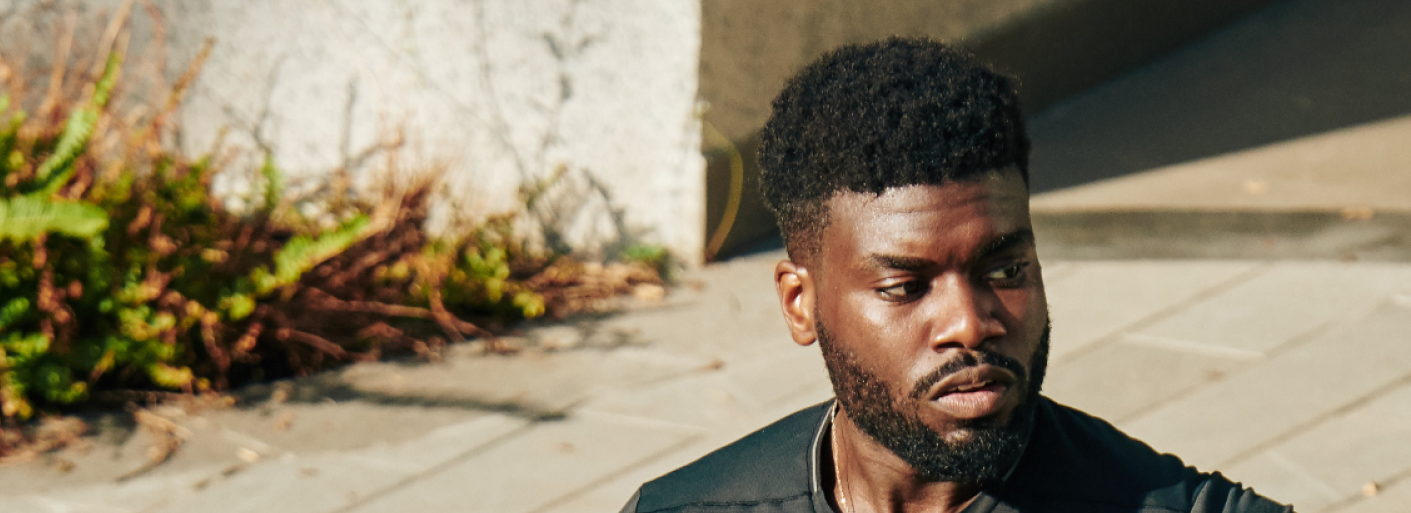
From missing Olympic qualification by a single second to becoming a two-time Olympian, Viktor Thorup's journey illustrates the essence of unlocking human potential. His story reminds us that success isn't just about natural talent—it's about determination, making the most of technology, and maintaining the balance between personal and professional life. As he scores more trophies and medals and prepares for more achievements in the coming times, he continues to inspire athletes worldwide.
Stay tuned for more conversations in our 'Unlock Your Potential' series, where we have a word with athletes and fitness enthusiasts around the globe who turn their dreams into reality.