How Long Does Muscle Soreness Last, and When Should You Train Through It?
Still hobbling down the stairs two days after a hard session and wondering when it will stop, and whether you should train anyway? Here is what research says about how long muscle soreness lasts, what helps, when light training is reasonable, and a 7-day plan for getting back to it.
Short answer
Delayed onset muscle soreness usually appears one to three days after unaccustomed exercise, tends to peak around 48 to 72 hours, and typically fades within about five days. Mild soreness rarely needs full rest, but severe pain, swelling, dark urine or soreness beyond a week needs medical advice.
Key facts
- A 2018 review of delayed onset muscle soreness (DOMS) by Hotfiel and colleagues reports that peak soreness comes at 48 to 72 hours after exercise, and that unfamiliar or eccentric exercise is the cause.
- Cleveland Clinic says DOMS usually lasts a few days and rarely lasts more than five days, and advises contacting a healthcare provider if pain lasts longer than one week.
- A 2018 systematic review and meta-analysis in Frontiers in Physiology (99 studies) found that massage had the largest effect on soreness, while stretching and electrostimulation showed no significant benefit. The authors noted large differences between studies.
- A 2003 review in Sports Medicine concluded that exercise was the most effective way to ease pain during DOMS, but that the relief is only temporary.
- MedlinePlus lists dark or cola-colored urine, muscle pain and weakness as symptoms of rhabdomyolysis, a serious muscle breakdown that needs prompt medical care.
In this article
- How long does muscle soreness last?
- Why do muscles get sore a day or two after exercise?
- What does the evidence say about easing muscle soreness?
- Can you train through muscle soreness?
- How can you ease back into training after heavy soreness?
- When is muscle soreness a warning sign?
- Frequently asked questions
- Final thoughts
- Sources and further reading
How long does muscle soreness last?
Muscle soreness after unaccustomed exercise typically lasts a few days. It tends to appear one to three days after the session, peaks around 48 to 72 hours, and rarely lasts beyond five days, although some people take closer to a week to feel normal. The exact timing varies with the exercise and the person.
For a closer look at spacing sessions, see how many rest days you actually need.
The typical timeline
Cleveland Clinic describes DOMS as appearing one to three days after intense exercise, usually lasting a few days and rarely lasting more than five days. A 2018 narrative review by Hotfiel and colleagues in Sportverletzung Sportschaden states that symptoms develop with a delay, with peak soreness at 48 to 72 hours after exercise.
Why timelines differ from person to person
Cheung and colleagues noted in a 2003 review in Sports Medicine that DOMS is most common when people return to training after a break and when they first try a new type of activity. Intensity and duration also matter.
Why do muscles get sore a day or two after exercise?
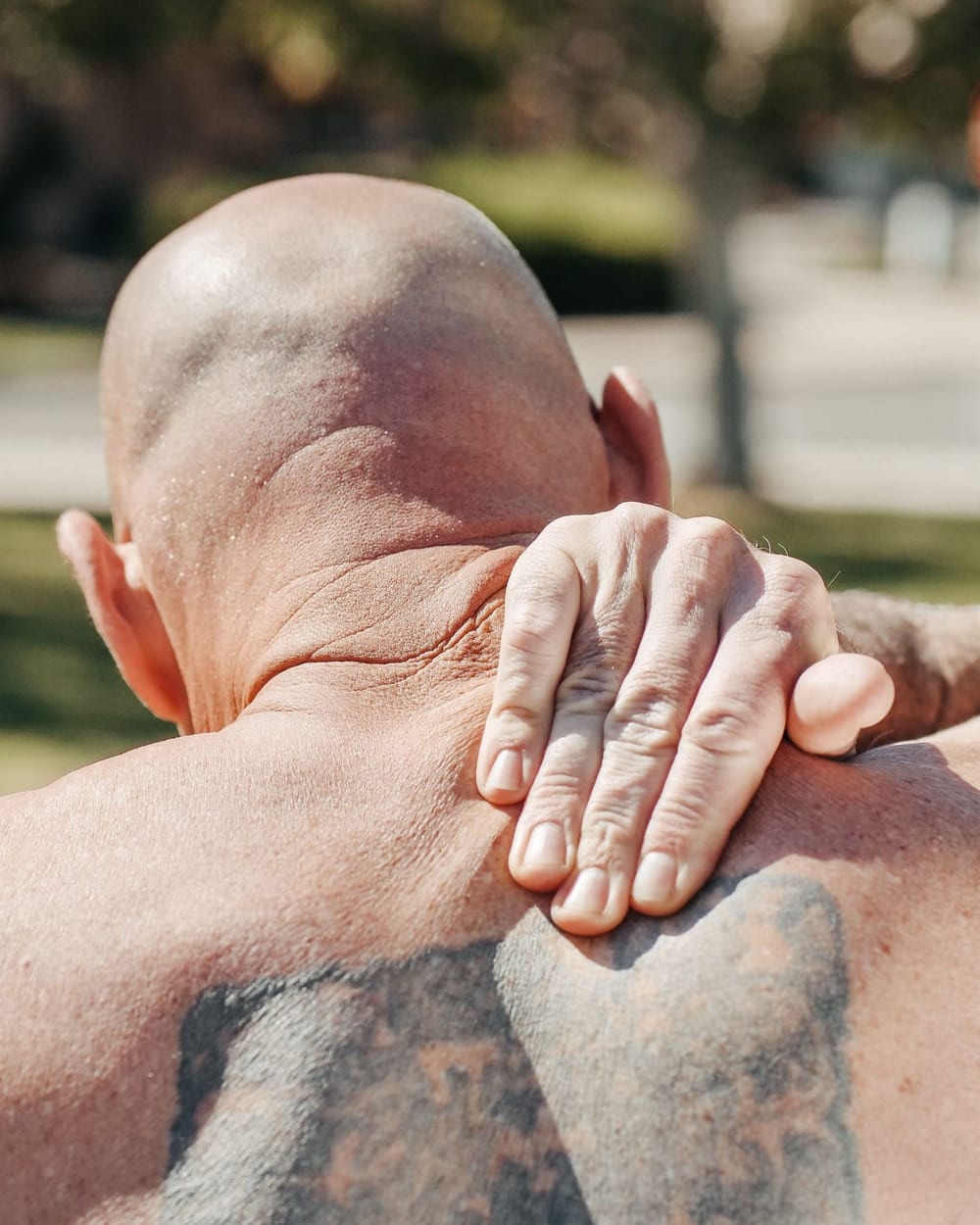
Muscles get sore a day or two after exercise mainly because unfamiliar or eccentric effort, where a muscle lengthens under load, causes tiny structural damage in muscle cells that triggers local inflammation. The soreness is delayed because that damage and response take time to build.
Hotfiel and colleagues describe the primary mechanism as ultrastructural damage to muscle cells, followed by protein breakdown and local inflammation, and note that the exact pathway is still unknown. Cheung and colleagues reported up to six proposed theories, probably working in combination.
A common myth about lactic acid
Myth vs fact
Myth: Muscle soreness the next day is caused by lactic acid left in your muscles.
Fact: Lactic acid is only one of several theories reviewed by Cheung and colleagues in 2003, and the authors concluded that an integration of two or more theories is likely to explain soreness. Current reviews emphasise muscle cell damage and local inflammation, though the exact pathway is still not settled.
What does the evidence say about easing muscle soreness?
The best available evidence suggests that massage, active recovery, compression garments and cold or contrast water methods may reduce soreness somewhat, while stretching and electrostimulation showed no significant benefit. Results differ between studies, and none of these methods removes soreness entirely.
Because soreness resolves by itself, the question is whether anything speeds it up or makes it more bearable. A systematic review with meta-analysis is the strongest kind of evidence available here.
What the 2018 meta-analysis found
Dupuy and colleagues pooled 99 studies, 80 of which measured soreness (1,188 participants across 106 experimental groups). Six approaches were linked with lower soreness: massage, compression garments, immersion, active recovery, contrast water therapy and cryotherapy. Massage had by far the largest effect size (Hedges g of about minus 2.26), and the others were smaller.
Limits worth knowing
The review included healthy adults aged 18 to 65, from inactive people to competitive athletes, and the authors acknowledged substantial heterogeneity. They also noted a mismatch between blood markers or soreness and the recovery of short-term muscle performance, and did not evaluate performance outcomes.
The 2003 review by Cheung and colleagues was more cautious: it found cryotherapy, stretching, ultrasound and electrical current methods had no effect on soreness, and that massage varied with timing and technique. Treat the findings as mixed rather than settled.
Can you train through muscle soreness?
Light training through mild to moderate muscle soreness is usually reasonable, but intense work on the same sore muscles is best avoided for a day or two. Cleveland Clinic advises avoiding intense workouts on sore muscles while accepting light activity, and Cheung and colleagues suggest reducing intensity and duration for 1 to 2 days.
Cheung and colleagues recommended exercises targeting less affected body parts so that the most affected muscles can recover. They also warned that a premature return to sport may raise the risk of further injury.
For weekly planning, how much strength training you need each week is a useful companion read.
A soreness level guide
The table below is an illustrative guide built from the advice in the sources above. It is not medical advice, and the scale is a personal rating, not a clinical measure.
| Soreness (0 to 10, your own rating) | What it feels like | Reasonable approach |
|---|---|---|
| 1 to 3 | Mild stiffness that eases as you warm up | Normal or slightly lighter training; light movement is fine |
| 4 to 6 | Aching when you move or press on the muscle; some loss of range | Reduce intensity and duration for 1 to 2 days, or train other muscle groups |
| 7 to 8 | Hard to climb stairs or lift your arms; clearly limits movement | Avoid hard work on those muscles; easy walking or gentle movement |
| Any score, with red flags | Severe swelling, sharp constant pain, weakness, very dark urine, or soreness past a week | Stop and seek medical advice |
Luna Band
Log a soreness score next to your tracked training load
Luna Band does not measure soreness, so rate it yourself from 0 to 10 each morning. The band tracks training load and effort alongside heart rate and HRV trends, which gives you your own numbers to compare with that score over a few weeks. Luna says no sensor is right for every body in every moment (company-reported accuracy validation).
How can you ease back into training after heavy soreness?
A gradual return to training after heavy soreness means starting with gentle movement, then rebuilding intensity over several days while rating soreness each morning. The sources suggest progressing new or eccentric activities over one to two weeks, so a staged week is a sensible way to resume.
The plan below is an example, not a prescription.
Try this: 7-day experiment
- Day 1: Rate soreness from 0 to 10 on waking. Do only easy movement such as a walk or gentle cycling, nothing that pushes the sore muscles hard.
- Day 2: Rate again. If soreness is 7 or higher, repeat day 1. If it is lower, do a short, light session for muscles that are not sore.
- Day 3: Rate again and note whether soreness is higher or lower than yesterday. Soreness commonly peaks around 48 to 72 hours, so a high score here is expected.
- Day 4: If soreness is 5 or lower, add a moderate session at roughly half of your usual volume on the sore muscles, with lighter loads.
- Day 5: Rate again. If soreness rose after day 4, step back to easy movement. If not, do about three quarters of your usual session.
- Day 6: Rest or easy movement, and rate again. If soreness is still severe or getting worse, consider talking to a clinician.
- Day 7: Return to a normal session only if soreness is mild. Write down what you did, what it cost you, and what you would change next time.
If you also track your own body signals, you can note whether your resting heart rate or HRV looks different on the sorest days. That is something to explore, not a test. The post on why your HRV can rise after a hard workout explains why the picture is not always simple.
Who should be extra careful
People who are pregnant, take medicines that can affect muscles, or have a medical condition should check with a doctor before pushing through marked soreness.
When is muscle soreness a warning sign?
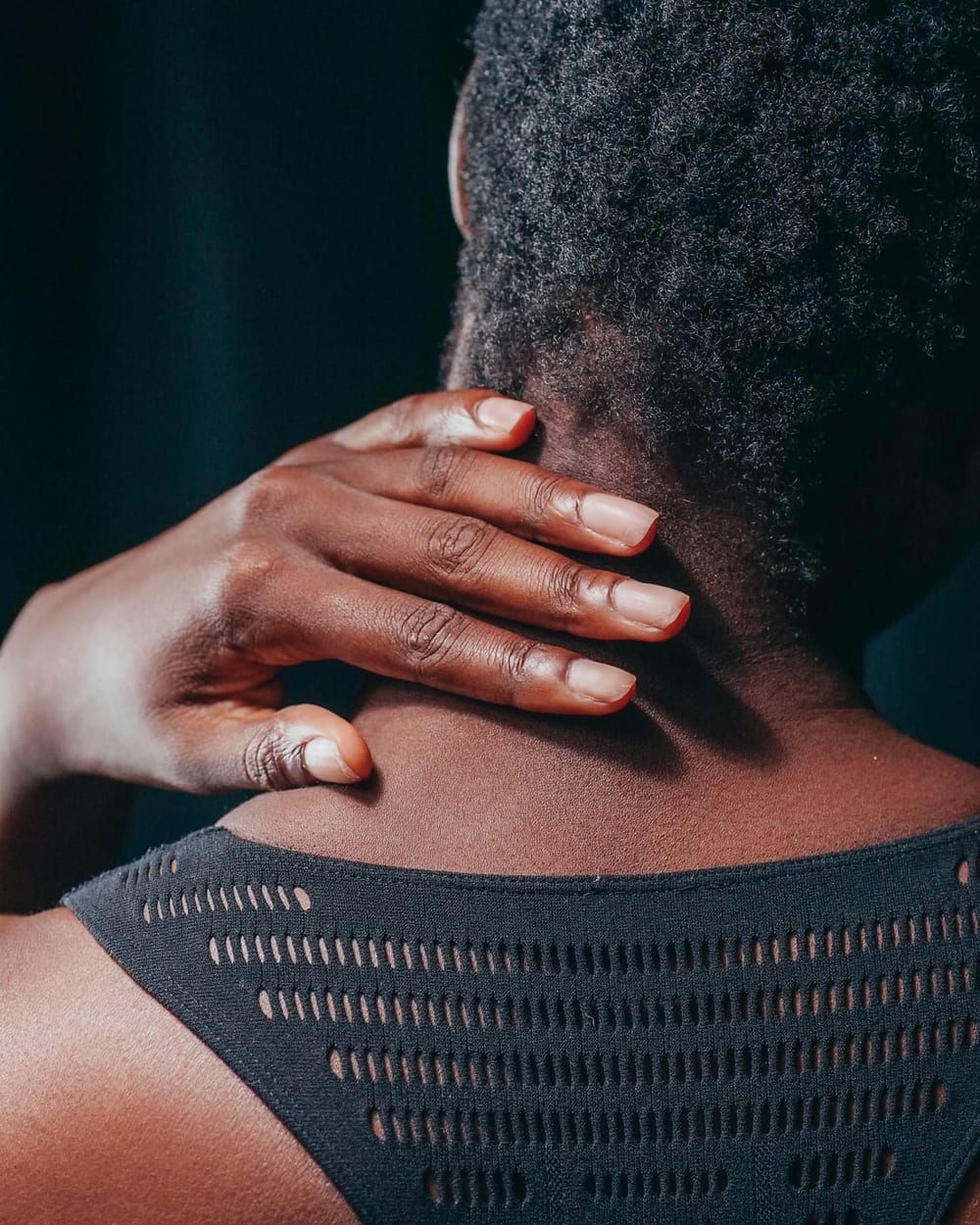
Muscle soreness is a warning sign when pain is severe, comes with marked swelling or weakness, or is accompanied by dark or cola-colored urine, or when it lasts longer than about a week. These signs can point to an injury or to rhabdomyolysis, which needs prompt medical care.
Signs to act on
Cleveland Clinic advises contacting a healthcare provider for pain lasting longer than one week, sharp constant pain, severe swelling around the muscles, or unusually dark urine or blood in the urine. MedlinePlus lists dark or cola-colored urine, muscle pain, stiffness and weakness, decreased urination and fatigue as symptoms of rhabdomyolysis.
MedlinePlus notes that rhabdomyolysis is the breakdown of muscle tissue that can harm the kidneys, lists intense exercise among the causes, and says early medical care reduces the risk of permanent kidney damage.
Frequently asked questions
Is it okay to work out when your muscles are sore?
Usually yes for light activity. Cleveland Clinic says light activity and stretching are acceptable while intense workouts on sore muscles are best avoided, and Cheung and colleagues suggest training other muscle groups. If pain is sharp, severe or worsening, rest and seek advice rather than pushing through.
Does stretching help muscle soreness?
The evidence says not much. The 2018 meta-analysis by Dupuy and colleagues found no significant benefit of stretching for soreness, and the 2003 review by Cheung and colleagues also found no effect on soreness. Stretching may still feel pleasant, so it is fine if you enjoy it.
Why are my muscles sorest two days after exercise, not right away?
Soreness is delayed because the muscle damage and local inflammation behind it take time to develop. Hotfiel and colleagues describe symptoms as typically delayed, with peak soreness at 48 to 72 hours after exercise. Feeling fine on the day and sore on day two is therefore common.
Does being sore mean the workout worked?
Not necessarily. The reviews describe soreness as a response to unfamiliar or eccentric exercise, not as a measure of session quality. None of the sources used here shows that soreness is needed for progress, so treat it as feedback about how new the effort was, not as a goal.
What is the difference between sore muscles and rhabdomyolysis?
Ordinary soreness is a mild ache that fades over a few days. Rhabdomyolysis involves muscle breakdown, and MedlinePlus lists dark or cola-colored urine, muscle pain, weakness and decreased urination as symptoms. Dark urine with severe muscle symptoms after hard exercise should be assessed by a clinician promptly.
When should I see a doctor about sore muscles?
See a healthcare provider if pain lasts longer than a week, is sharp and constant, comes with severe swelling, or is accompanied by unusually dark urine, according to Cleveland Clinic. Weakness, very little urine, or feeling unwell after intense exercise are further reasons to get prompt medical advice.
Final thoughts
Here is the short recap.
- Delayed onset muscle soreness typically appears within a few days, peaks around 48 to 72 hours, and fades within about five days.
- Light training or work on other muscle groups is usually reasonable, while hard work on very sore muscles can wait a day or two.
- Severe swelling, weakness, dark urine or soreness beyond a week should be checked by a clinician.
Your turn: What is the soreest you have felt after a workout, and how long did it take to fade? Tell us in the comments.
Luna Band
Track your own trends with Luna Band
Sleep, heart rate, HRV, stress and recovery insights in one band, with up to 10 days of typical battery life. No subscription required.
Sources and further reading
- Dupuy O, Douzi W, Theurot D, Bosquet L, Dugue B. An Evidence-Based Approach for Choosing Post-exercise Recovery Techniques to Reduce Markers of Muscle Damage, Soreness, Fatigue, and Inflammation: A Systematic Review With Meta-Analysis. Frontiers in Physiology, 2018.
- Cheung K, Hume P, Maxwell L. Delayed onset muscle soreness: treatment strategies and performance factors. Sports Medicine, 2003.
- Hotfiel T, Freiwald J, Hoppe MW, et al. Advances in Delayed-Onset Muscle Soreness (DOMS): Part I: Pathogenesis and Diagnostics. PubMed record. Sportverletzung Sportschaden, 2018.
- Cleveland Clinic. Delayed Onset Muscle Soreness (DOMS). my.clevelandclinic.org, accessed 2026.
- MedlinePlus. Rhabdomyolysis. National Library of Medicine, accessed 2026.
Keep reading
General information only, not medical advice. It does not replace guidance from a qualified healthcare professional. Speak to one about any health concern.